
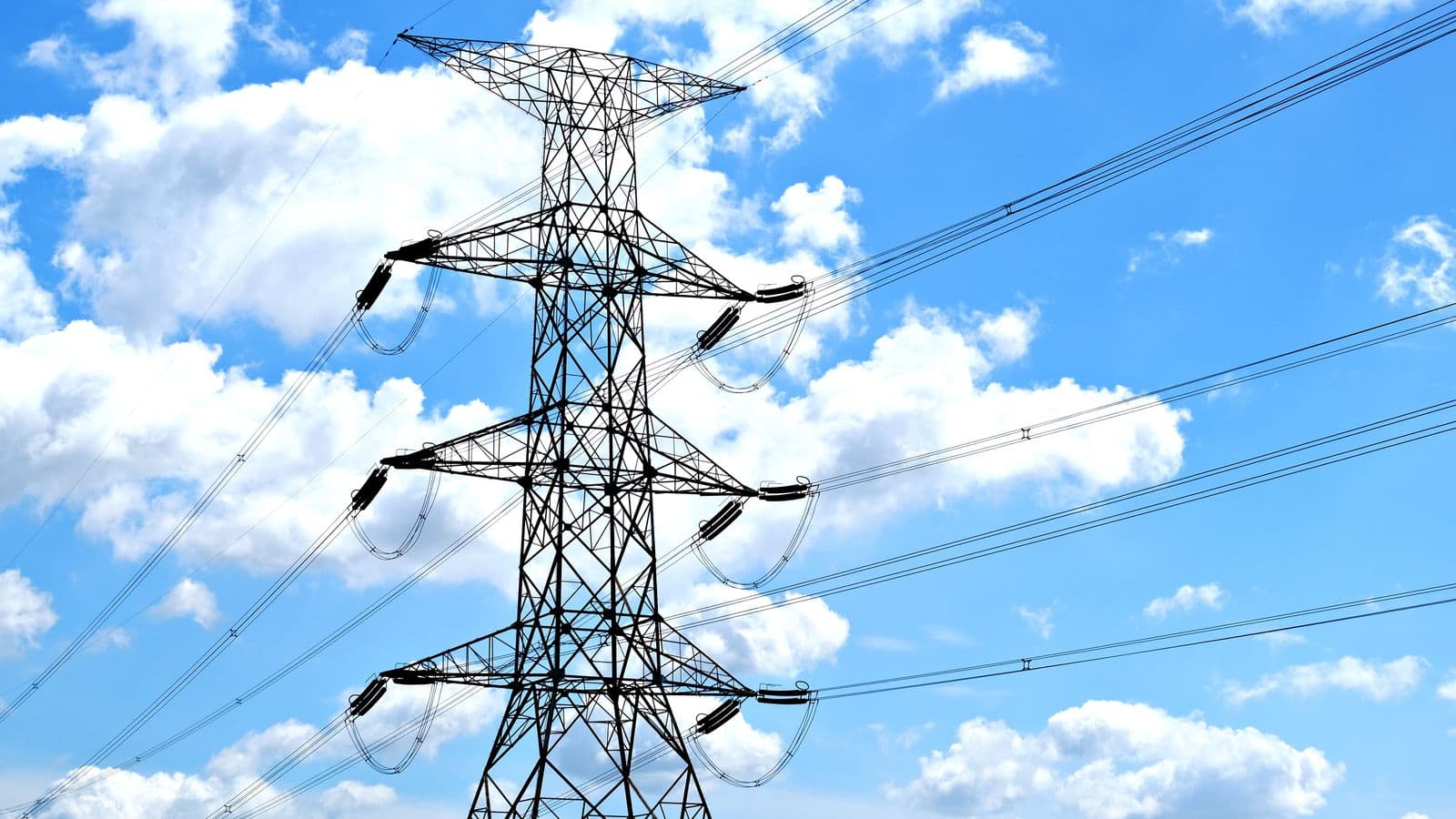
Every facility with its own substation that is fed at medium voltage must appoint a High-Voltage Operating Responsible engineer (YGİS). Under Turkey's Power Installations Regulation (EKAT), this is both a legal requirement and a cornerstone of workplace electrical safety, and most facility owners only learn the full scope of this obligation during an audit, long after the facility has already been energized.
What is YGİS, and Who Can Hold It?
YGİS is the service whereby an EMO-registered (Chamber of Electrical Engineers) electrical engineer takes legal responsibility for operating a facility's high-voltage installation in compliance with regulation. This isn't paperwork, the responsible engineer provides ongoing, hands-on technical oversight of the MV system: periodic maintenance, measurement, reporting and, when needed, fault response. The responsibility is tied to the utility and the relevant authorities through the engineer's personal signature.
Why is it Mandatory?
Under OHS Law No. 6331 and EKAT, a facility with its own substation that fails to appoint an operating-responsible engineer:
- Triggers administrative fines
- Creates heavy legal and criminal liability for the employer in the event of a work accident
- May result in insurance claims being refused, insurers typically check for a YGİS registration after an accident
- Is recorded as a non-conformity in OIZ and utility audits
None of these risks are theoretical: a fault occurring at a facility with no registered operating-responsible engineer exposes the business directly, both in terms of life safety and liability.
What Happens Without YGİS, Concrete Risks
- At commissioning: the utility can refuse to energize a new substation without a YGİS appointment in place.
- During operation: time spent without periodic maintenance and measurement leads to silent equipment degradation and unexpected outages.
- After an accident: without a registered responsible engineer, the employer is held directly and fully liable, and insurers typically deny the claim.
What SOREAS YGİS Covers
- Legal operating-responsible appointment and official registration (with the utility and relevant authorities)
- Periodic maintenance, measurement and thermal-camera checks
- Earthing measurement and reporting
- Protection-relay checks and setting verification
- Fault response and outage management
- Preparation for audits and official inspections, with document and report tracking
- On-site support across Bursa's 17 organized industrial zones
How the Process Works
- Facility assessment: we review the current state of the MV system and existing documentation and measurement records.
- Contract and official appointment: the responsible-engineer appointment is formally registered with the utility and relevant authorities.
- Maintenance schedule set: maintenance, measurement and reporting frequency is set based on the facility's risk profile.
- Ongoing oversight: site visits, measurements and, where needed, emergency response continue for the duration of the responsibility.
What to Look for in a YGİS Provider
- Verify an up-to-date EMO registration, this is the legal precondition for the responsibility to be valid.
- Check field experience and local availability, remote oversight of an MV system doesn't work in practice; being able to be on site during a fault matters.
- Evaluate the maintenance schedule and reporting discipline, irregular or undocumented maintenance is useless in an audit.
- Make sure the emergency response time is written into the contract, "we'll come when needed" is not an adequate commitment.
- Ask for references and current contracts, active presence in OIZs in your region matters.
What YGİS Covers, and What It Doesn't
YGİS responsibility is limited to the facility's high/medium-voltage system, the substation, MV switchgear cells, protection relays and the associated earthing system. The facility's low-voltage internal installation (LV panels, lighting, socket circuits, and similar) generally falls outside the scope of YGİS and is managed under a separate technical consultancy or maintenance service. Getting this distinction clear from the outset prevents responsibility gaps caused by the "YGİS covers everything" misconception. At end-to-end providers like SOREAS, both scopes are typically coordinated by the same team, but the contract should still spell out clearly which service covers which scope.
This distinction matters most at the boundary point: the LV side of the transformer, the main LV distribution panel, and any compensation or automation equipment fed directly from it. Facility owners sometimes assume that because SOREAS already handles their YGİS, any fault anywhere in the electrical system is automatically covered. In practice, a clear scope boundary written into the contract avoids disputes precisely when they're most costly, during an outage, when everyone wants a fast answer to "whose responsibility is this."
Does the YGİS Engineer Bear Full Liability for Accidents or Faults?
This is a frequently confused point. The YGİS responsible engineer is accountable for operating the facility's MV system in compliance with regulation and for carrying out periodic maintenance and measurement on schedule. However, for an accident that results from a change the employer didn't report (an unauthorized modification, for example) or an intervention carried out without the responsible engineer's knowledge or approval, how liability is shared depends on the specific circumstances of the incident. This is why the YGİS contract should require that any changes to be made at the facility be reported to the responsible engineer in advance, a provision that protects both the employer and the responsible engineer.
The Link Between YGİS and Substation Setup
If you're building a new substation, appointing a YGİS is typically the next step after provisional acceptance, utilities often require this appointment before energization. Our substation setup guide walks through that process end to end.
The Role of YGİS in Audits
In OIZ and utility audits, one of the first things checked is whether the facility has a current, officially registered YGİS responsible engineer. A facility with a continuously active YGİS contract doesn't need to scramble before an audit, because periodic maintenance records, measurement reports and official documentation are already kept current and in order. In other words, YGİS isn't just a legal requirement, it's the most practical way to stay audit-ready at all times. We cover how substation audits work in OIZs in a separate article.
Auditors typically ask for three things in sequence: the current YGİS appointment document, the most recent periodic maintenance and measurement reports, and evidence that any nonconformities flagged in a previous audit were actually closed out. Facilities that treat YGİS as an ongoing relationship rather than a one-time appointment tend to have all three ready without needing to chase down paperwork the night before an inspection. Facilities that treat it as a formality often discover, mid-audit, that reports were never filed or that the appointment itself lapsed months earlier without anyone noticing.
Why Work With SOREAS?
There's no shortage of firms offering YGİS services in Bursa, but what actually makes a difference in practice is field experience and genuine availability. Having a Bursa-based team means SOREAS can be on site the same day during a fault, not "we'll take a look tomorrow." Because the same team can also cover your compensation, protection coordination, panel and automation needs alongside YGİS responsibility, you get a single engineering point of contact for your facility's electrical infrastructure, instead of having to coordinate across different firms for different issues.
This matters in practice more than it might sound: an MV fault, a compensation issue and a protection-relay miscoordination often trace back to the same root cause, and a team that already knows your system end to end diagnoses it faster than a provider who only sees your substation once a year. For facilities operating across several of Bursa's organized industrial zones, that continuity of knowledge, one engineering team, one set of records, one point of accountability, tends to matter more over time than the initial quote.
FAQ
Which facilities does the YGİS requirement apply to? Every industrial facility, factory or OIZ business with its own substation, fed at medium or high voltage, is subject to this requirement.
Is a YGİS contract different from employing an in-house engineer? Yes. An outsourced, contracted YGİS service provides the same legal responsibility and technical oversight without a full-time hire, more economical and flexible for most SME-scale facilities.
Can the YGİS responsible engineer be changed? Yes, but the change must be formally reported to the utility, and there must be no gap in responsibility during the handover.
How often should maintenance be done? It depends on the facility's load profile, equipment age and the intervals the regulation prescribes; periodic maintenance is typically planned annually, though critical facilities benefit from more frequent measurement.
Does the YGİS responsible engineer also have to be the facility's design engineer? No. YGİS covers operation of the facility; design is a separate service. That said, sourcing both from the same firm is a practical advantage, since it means the full history and design logic of the system is already known.
Can a business with more than one substation work under a single YGİS contract? Yes, a single contract can cover multiple sites or substations; however, each site's maintenance schedule and official registration must still be tracked separately.
What's the most commonly overlooked item when contracting YGİS service? Failing to put the emergency response time in writing in the contract. A verbal commitment carries no legal or practical weight during an actual fault, this needs to appear in the contract as a concrete time frame.
Let's talk through this together
The SOREAS engineering team can assess what's covered here for your specific facility. Reach out via the contact form or call us directly.